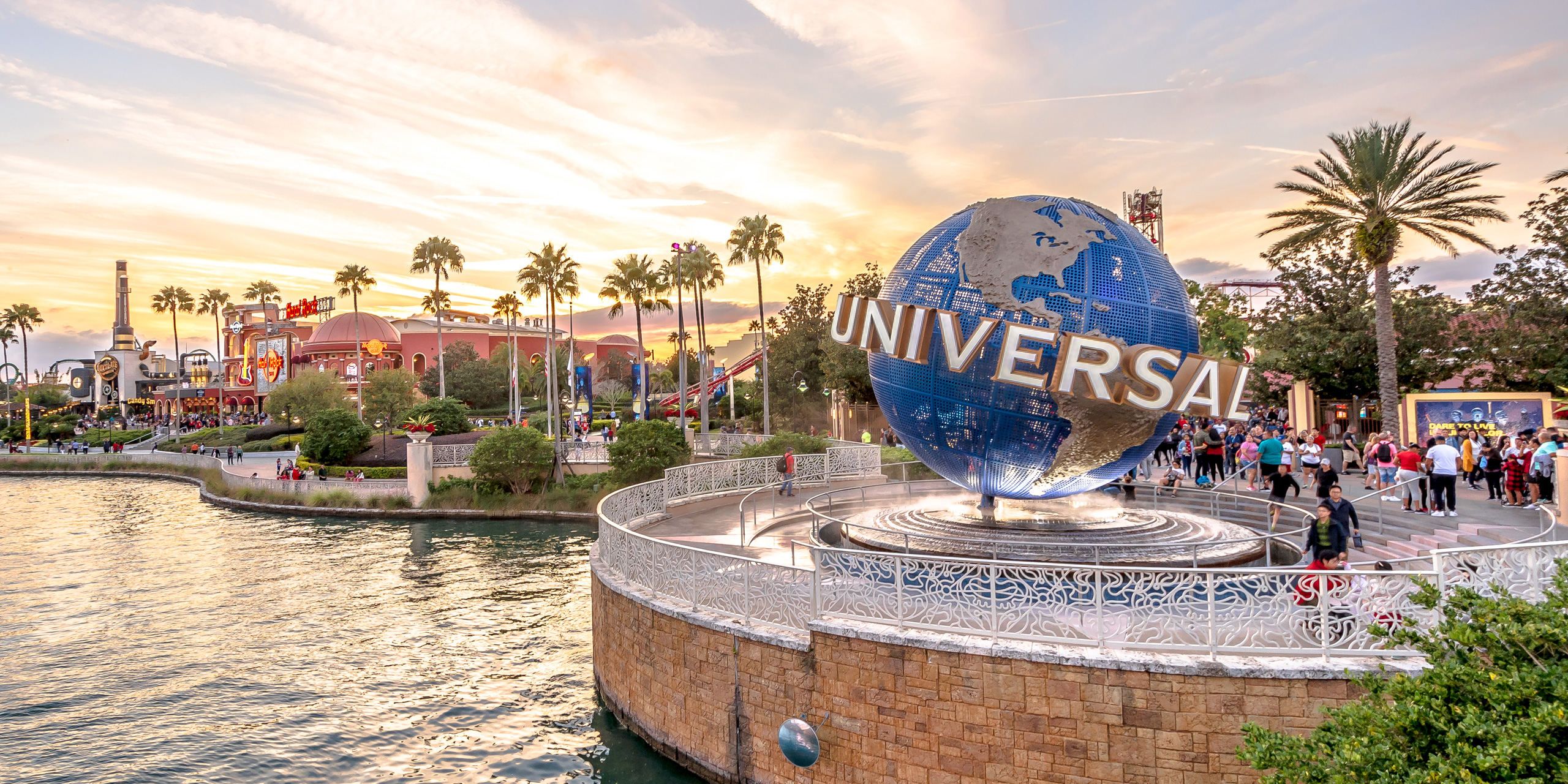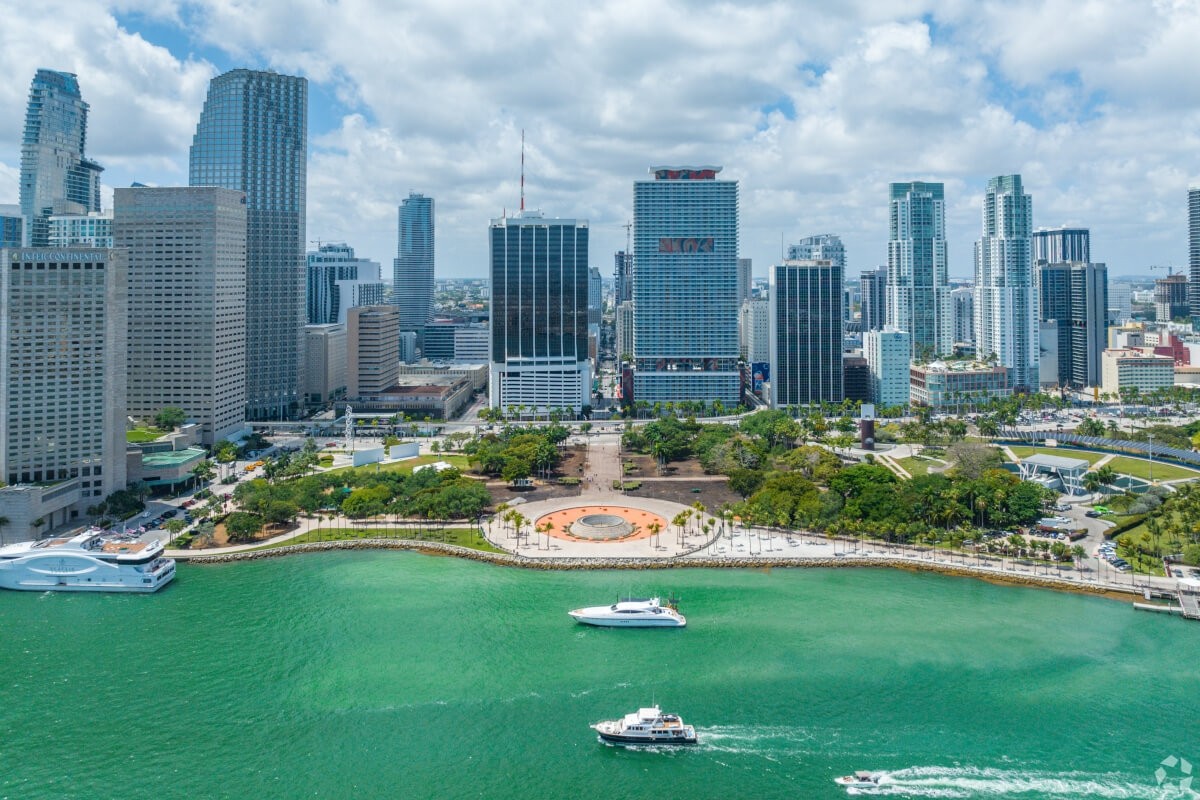
A Florida hotel is real estate wrapped around an operating business, and the exchange rules only reach the real estate half. Section 1031 treats the land, building, and structural systems as like-kind to other real property held for investment or business use, but furniture, fixtures, operating equipment, and the franchise relationship sit outside that definition and need their own accounting at closing.
Florida hospitality demand runs on tourism and seasonality, which means trailing revenue figures from a coastal or theme-park-adjacent property can compress badly outside peak months, and a franchise brand can require a property improvement plan that costs more than the buyer expected once the flag inspection is complete.
Separate the real property purchase from the operating business, underwrite occupancy across a full seasonal cycle rather than a peak quarter, and confirm the franchise and management obligations before treating the purchase price as settled.
A hotel purchase agreement should allocate price among land and building, furniture and equipment, and any transferred brand or management value, since only the real property portion is like-kind under current federal rules. An unallocated lump-sum price risks treating personal property value as boot without the buyer intending it.
Request the seller's most recent fixed-asset schedule and reconcile it against a physical inventory, since aging case goods and kitchen equipment are common sources of near-term capital spend that a rushed closing can miss. Confirm which vendor contracts, reservation software licenses, and loyalty program obligations transfer at closing, since some carry assignment fees or require lender or franchisor consent.
A flagged hotel typically requires a property improvement plan tied to brand standards, and the franchisor's inspection can produce a multi-million-dollar punch list that the seller has not disclosed. Request the most recent PIP letter or franchise inspection report and confirm whether it transfers with the property or resets at sale.
Review royalty, marketing fund, and reservation system fees, term length, renewal conditions, and any right the franchisor holds to terminate on change of ownership, since losing the flag mid-hold changes the asset's income profile.
Pull twelve to twenty-four months of occupancy, average daily rate, and revenue per available room by month, and identify how much of annual income depends on a narrow high season. A Florida beach or theme-park property can show strong winter and spring performance while summer and hurricane-season months carry the property.
Compare the trailing STR or comparable market report against the specific property's performance to see whether it is gaining or losing share, and stress-test the pro forma against a below-average season rather than the best one on record.
Coastal and near-coastal Florida hotels carry some of the state's highest insurance costs, and business interruption coverage matters as much as property coverage given how quickly a storm closure erodes seasonal revenue. Request a bound quote reflecting the buyer's intended coverage, not the seller's existing premium, and confirm deductible structure for named-storm events.
Ask for the property's storm and evacuation history, including any period the property was closed for repairs, and factor lost operating months into the underwriting rather than treating the trailing income statement as a clean baseline. Confirm whether flood coverage sits under a separate policy from the primary property and business interruption coverage, since a coordination gap between policies is a common source of underinsured claims after a storm.
A hotel qualifies for exchange treatment as real property held for investment or business use, but the operating business itself, including staffing, management, and brand relationships, is a separate matter from the real estate. Keep records distinguishing real property operations from business operations, particularly if a management company runs day-to-day activity.
Hospitality lenders often require a PIP resolution, franchise approval, and a full operating history review before funding, which can extend past a compressed identification window. Get preliminary lender and franchisor feedback early, and if more than one property is identified, weight franchise and financing certainty alongside revenue potential.